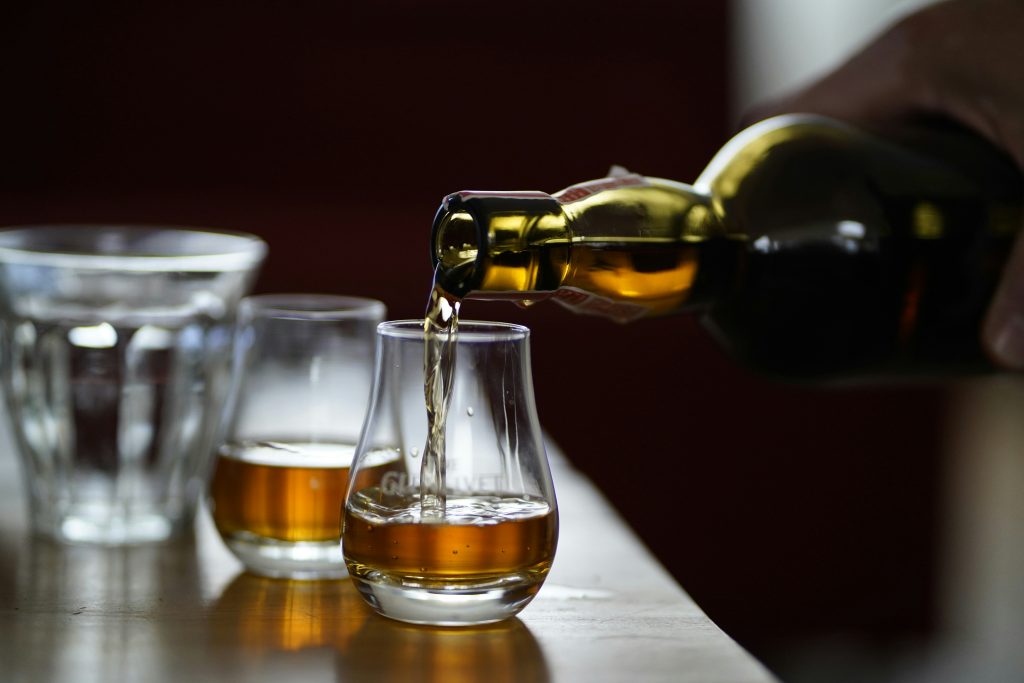
When you sip a premium whiskey, you’re not just tasting alcohol — you’re experiencing years (sometimes decades) of patience, craftsmanship, and storytelling. Every bottle carries a journey that starts long before the distillery doors open and ends long after the label is sealed.
But have you ever wondered how premium whiskeys are actually made — from the farm where the grain is grown to the final packaging that lands on your shelf?
Let’s take an exciting behind-the-scenes journey into the world of premium whiskey production, breaking it down step by step — in a way that’s easy to understand, human, and genuinely fascinating.
1. It All Starts on the Farm: The Soul of Whiskey
Premium whiskey begins with something incredibly humble: grain. But not just any grain.
The Main Grains Used in Whiskey
Depending on the whiskey style, distillers carefully select specific grains:
- Barley – Common in Scotch and Irish whiskey
- Corn – Dominant in Bourbon
- Rye – Adds spice and sharpness
- Wheat – Creates smoother, softer profiles
For premium whiskeys, grain quality is non-negotiable. Many top distilleries work directly with local farmers, sometimes for generations, ensuring:
- Non-GMO or heritage grain varieties
- Sustainable farming practices
- Consistent flavor profiles year after year
Some distilleries even own their farms, controlling every detail — from soil health to harvest timing.
Why this matters: The flavor of whiskey is deeply influenced by terroir (soil, climate, water). Just like wine, where it grows matters.
2. Harvesting & Malting: Awakening the Grain
Once harvested, grains go through a process called malting (especially barley).
What Is Malting?
Malting involves:
- Soaking the grain in water
- Allowing it to germinate
- Drying it to stop growth
This process activates natural enzymes that convert starches into fermentable sugars — the foundation of alcohol.
For premium whiskeys:
- Drying may be done using peat smoke (common in Scotch), adding smoky character
- Timing and temperature are carefully controlled
- Some distilleries still use traditional floor malting, a rare and labour-intensive method
This stage sets the tone for the whiskey’s aroma and complexity.
3. Milling & Mashing: Turning Grain into Sweet Gold
Next comes milling, where grains are ground into coarse flour called grist.
The grist is mixed with hot water in a large vessel called a mash tun. This process, known as mashing, extracts sugars from the grain.
Why Premium Distilleries Obsess Over This Step
- Water source is crucial — many distilleries use natural spring or limestone-filtered water
- Temperature control affects sugar extraction
- The balance between coarse and fine grist impacts flavor
The result? A sweet liquid called wort — think of it as whiskey’s first personality forming.
4. Fermentation: Where Flavor Is Born
The wort is transferred into fermentation tanks (often called washbacks) and yeast is added.
Yeast: The Unsung Hero of Whiskey
Yeast doesn’t just create alcohol — it creates flavor compounds like:
- Fruity esters
- Floral notes
- Spicy undertones
Premium distilleries may:
- Use proprietary yeast strains kept secret for decades
- Ferment for longer periods (sometimes 72–120 hours)
- Use wooden washbacks for added complexity
After fermentation, you get a beer-like liquid called wash, usually around 6–10% alcohol.
This stage is where whiskey’s character truly starts to shine.
5. Distillation: Precision, Patience, and Art
Distillation is where science meets craftsmanship.
The Distillation Process
Most premium whiskeys are distilled in copper pot stills, which:
- Remove unwanted sulfur compounds
- Enhance richness and smoothness
The wash is heated, alcohol vapors rise, condense, and are collected as spirit.
Distillation usually happens twice or three times, depending on the style:
- Scotch & Bourbon: Typically double-distilled
- Irish Whiskey: Often triple-distilled for smoothness
The Cut: A Master Distiller’s Judgment
Not all distilled spirit makes it into the barrel.
The distiller separates:
- Heads (harsh alcohols)
- Hearts (the good stuff)
- Tails (heavy, bitter compounds)
Only the heart cut becomes premium whiskey.
This decision alone can define whether a whiskey becomes average or exceptional.
6. Maturation: Time Does the Magic
Now comes the most romantic (and longest) stage: aging.
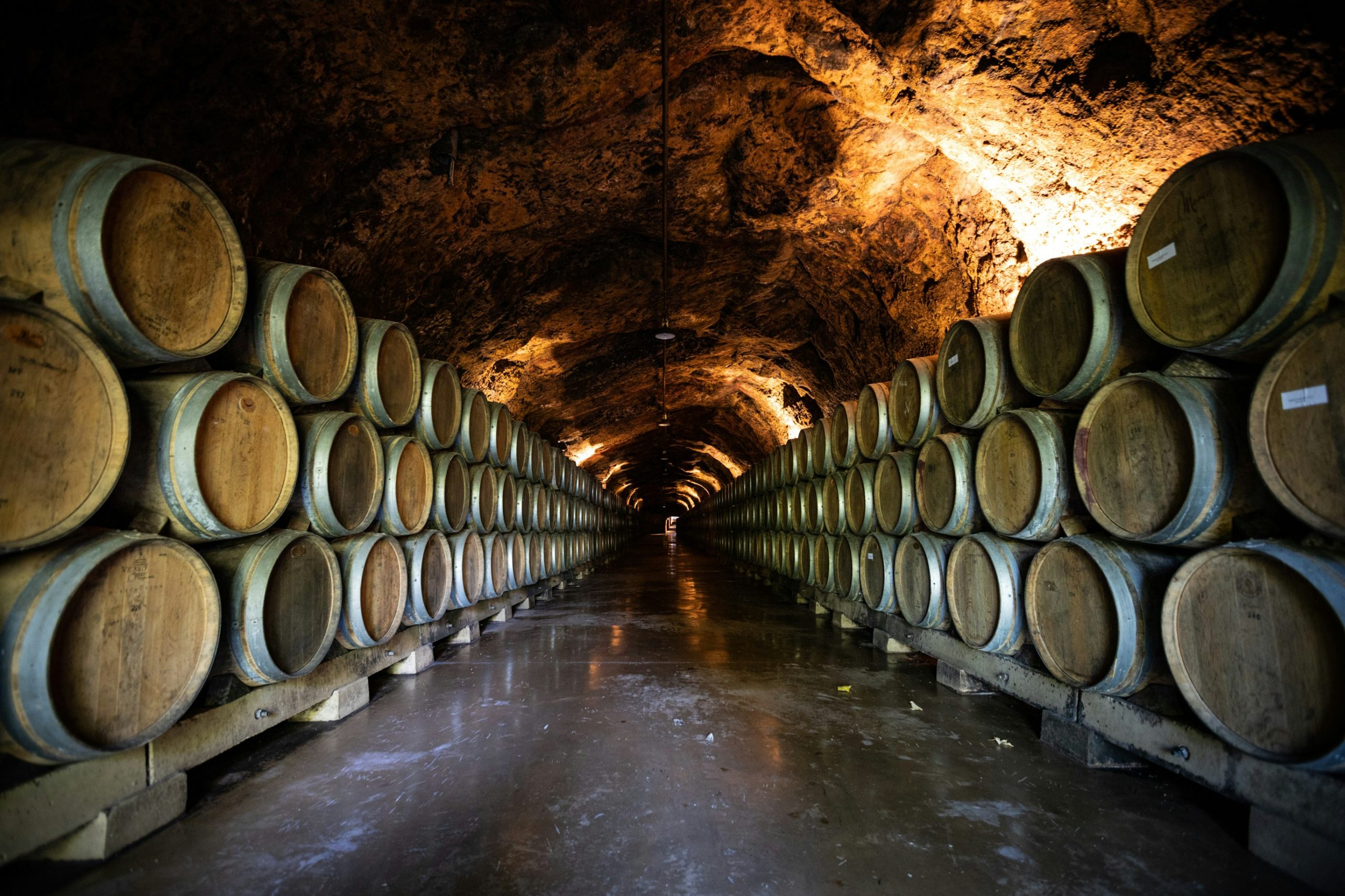
The clear spirit is placed into wooden barrels — usually oak.
Why Barrels Matter
Oak barrels:
- Add color
- Soften harsh alcohol
- Infuse flavors like vanilla, caramel, spice, and smoke
Premium whiskeys often use:
- First-fill barrels
- Ex-bourbon casks
- Sherry, rum, or wine casks
- Carefully charred or toasted oak
Climate Plays a Big Role
- Warmer climates = faster aging, bolder flavors
- Cooler climates = slower aging, more delicate profiles
Whiskey may age anywhere from 3 years to 30+ years, with master blenders tasting regularly to track development.
No two barrels age the same — even in the same warehouse.
7. Blending or Single Barrel Selection
Once matured, whiskey takes one of two premium paths:
Single Malt / Single Barrel
- From one distillery
- Sometimes from a single barrel
- Offers purity and unique character
Blended (But Still Premium)
- Carefully combined barrels or malts
- Aimed at consistency and balance
- Requires incredible skill
Blending is an art form — master blenders train for decades to perfect their palate.
8. Filtration & Proofing: Polishing the Spirit
Before bottling, whiskey may undergo:
- Chill filtration (to prevent cloudiness)
- Non-chill filtration (preferred by many premium brands)
- Proofing with pure water to reach desired alcohol strength
Some premium whiskeys are:
- Cask strength (undiluted)
- Natural color (no caramel added)
Transparency at this stage is a hallmark of high-end whiskey.
9. Bottling & Packaging: The Final Statement
Packaging isn’t just about looks — it’s about storytelling.
Premium Whiskey Packaging Includes:
- Heavy glass bottles
- Hand-applied labels
- Wax seals or cork stoppers
- Individually numbered bottles
- Sustainable or luxury gift boxes
Every detail is intentional. The bottle should reflect the whiskey’s journey — craftsmanship, patience, and pride. For premium brands, packaging is the handshake before the first sip.
10. From Shelf to Glass: The Consumer Experience
By the time a premium whiskey reaches you, it may have taken:
- Years of farming
- Weeks of production
- Decades of aging
- Thousands of expert decisions
That’s why premium whiskey is more than a drink — it’s an experience.
When you pour a glass, you’re tasting:
- The soil where the grain grew
- The water from ancient springs
- The wood from aged oak trees
- The wisdom of master distillers
Final Thoughts: Why Premium Whiskey Is Worth It
Whenever you raise a glass of Premium whiskey this season remember it’s not about price — it’s about process, patience, and passion.
From farm to packaging, every step is intentional. Every choice shapes flavor. Every year adds depth.
So next time you enjoy a glass of premium whiskey, take a moment. Swirl it. Smell it. Sip slowly.
You’re not just drinking whiskey — you’re tasting a journey. Cheers!